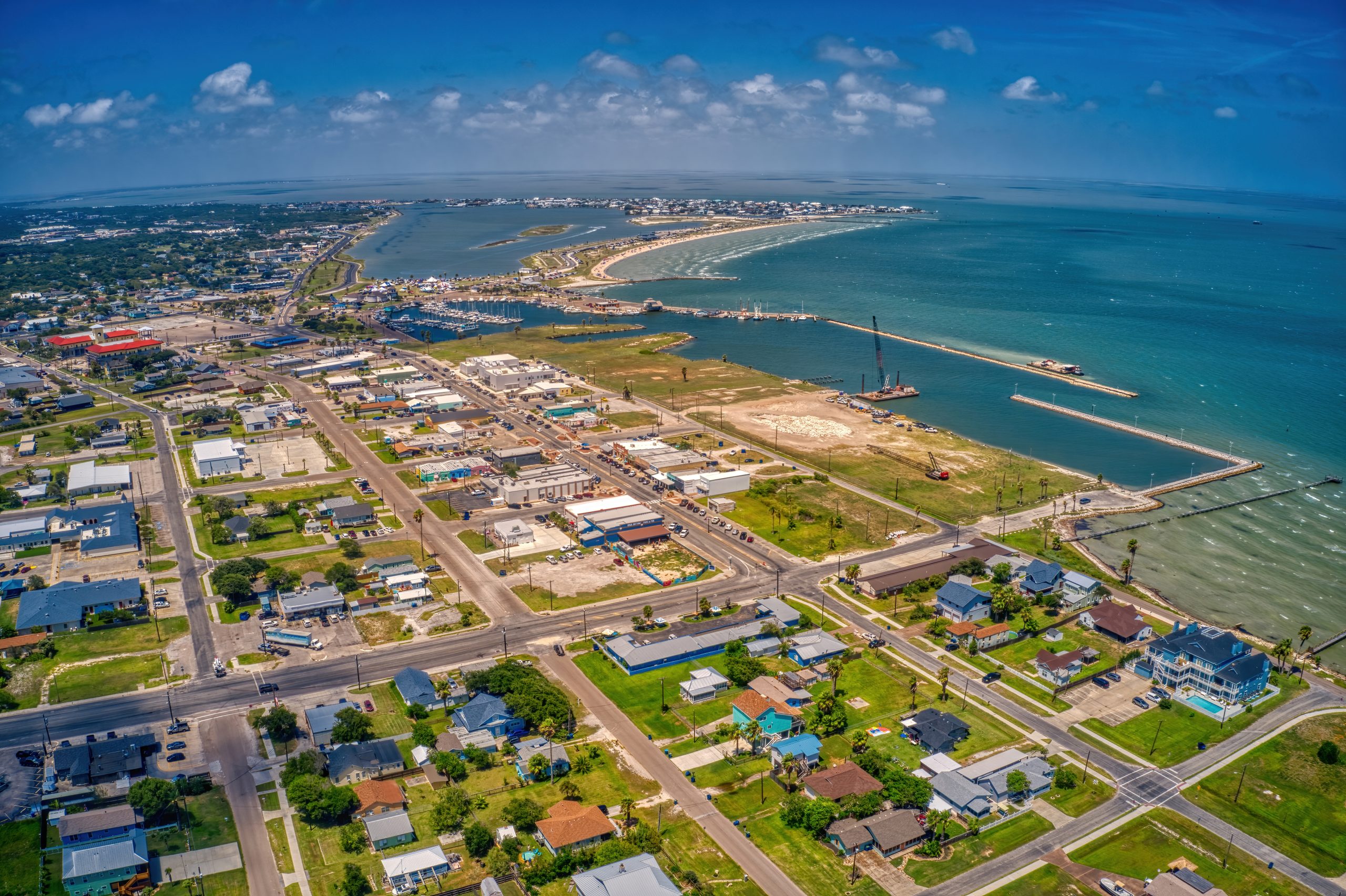
Jacob Hupp works at Galveston Bay Foundation, a partner organization of Texas Living Waters, and lives in Rockport – this is his personal experience.
For nearly four years now, I’ve lived under water restrictions in Rockport, Texas. What started as something temporary has slowly become part of everyday life here in the Coastal Bend.
It shows up in small ways. When I water plants, I think about it. When I run the dishwasher or do laundry, I think about it. Even simple routines come with a second thought. Water is not an abstract issue in a coastal community like ours. You feel it in the choices you make every day.
And even though I’m a strong advocate for smart water conservation practices and everyone doing their part to responsibly steward our precious freshwater resources, I have felt that over time something more significant has begun to shift. The restrictions stop feeling temporary. They become part of the background. They shape how you take care of your home, how you watch the weather, and how you think about the future.
What wears on you the most is the uncertainty. It’s not just the inconvenience. It’s the not knowing. How long will this go on? What happens if the ongoing drought we’ve been in suddenly increases from ‘severe – extreme’ to ‘exceptional’? Are we going to be in a better position, or are we just repeating the same cycle?
That cycle is familiar in Texas. Periods of relative abundance bring growth and optimism, followed by drought that exposes the limits of our systems. In response, we tighten restrictions, stretch supplies, and scramble for solutions. Then rains return, urgency fades, and long-term fixes stall. Without sustained planning, the cycle repeats—often with higher stakes each time.
Texas hasn’t ignored water, however. The state has made major investments in water planning and infrastructure. In 2023, the Texas Legislature established the Texas Water Fund, and voters approved an initial deposit of $1 billion in the fund. And just last year, the Legislature further refined the scope of the Texas Water Fund and Texas voters overwhelmingly supported a funding scheme of $20 billion over the next two decades. These state initiatives represent the largest state investment in water infrastructure and water supply in the entire country. That matters, and it shows that leaders understand the stakes. But investment alone doesn’t solve the problem if communities don’t see the benefits soon enough, or if the same weak points keep showing up during every dry period. The situation in the Coastal Bend makes that clear.
Rockport doesn’t control its own water supply. We get treated water from the San Patricio Municipal Water District, which depends on raw water from Corpus Christi. That ties us to a much larger system. When that system is strained, we feel it right away.
Corpus Christi plays a central role here, and it’s fair to ask hard questions. The region has had years of warning signs. Yet too often the response has been slow or simply reactive. The kind of long-term planning needed to build real resilience hasn’t kept pace with the risks. Communities like Rockport have ended up living with the consequences.
And the strain right now is real. Drought is nothing new on the Texas coast, but the length of the water restrictions we’re living under suggests deeper issues are at play. It points to our challenges with rapid growth, lengthy planning gaps, and our reliance on systems that aren’t built to handle prolonged stress.
There’s also an ever-growing issue of fairness among water users in the Coastal Bend. Residents are asked to conserve every day. We adjust our habits and do our best to respect the expanding water limits being imposed on us. Meanwhile, industrial water users pulling from the same reservoirs haven’t faced the same level of restrictions. That imbalance is hard to ignore. When households carry most of the burden, it raises real questions about how water is being managed – and for whom.
Living this way changes your perspective. It reminds you that water policy isn’t just about infrastructure or planning documents. It’s about whether people feel secure where they live. It’s about whether communities can plan ahead with confidence.

The Texas Living Waters coalition, of which Galveston Bay Foundation is a partner, works to make sure those local experiences are part of the bigger conversation. We aim to explore and promote holistic water solutions like One Water that strive to get it right the first time. That means prioritizing the health of the coastal ecosystem as we meet the urgent water needs of Texans and industry. The future of water in Texas depends on listening to communities, honoring our inherent connection to nature, protecting economically productive bays and estuaries, and planning ahead instead of reacting in a crisis. It means preparing in the good years, not just scrambling in the bad ones.
For Texans, our state water plan offers an important chance to ensure communities are prepared with strategies to meet ever-growing water demands over the next 50 years. A new plan is adopted every 5 years in a formal process that includes opportunities for individuals and communities to provide input. The 2027 plan is online now, with a comment period ending later this month. Here’s how you can get involved:
- The draft plan is available on the Texas Water Development Board’s website. TWDB is the state agency responsible for statewide water supply planning.
- In addition to the draft plan itself, the TWDB webpage linked above also provides instructions for submitting your comments. All comments must be submitted by 5:00pm on Thursday, May 29, 2026.
- A public hearing will be held at 1:00pm on Tuesday, May 27, 2026. The meeting will be open to the public, and you may attend in person or online. If you plan to make comments at the meeting, please see the link above for information on registering in advance.
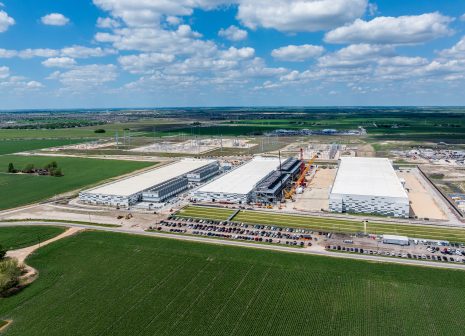
Texas Living Waters will submit a letter outlining our reactions and recommendations, emphasizing the importance of statewide water supply planning and the importance of strategies like conservation and reuse in achieving durable, resilient long-term water supplies. We’ll also highlight the need for adaptations to properly account for water use by data centers, which have proliferated so quickly that their demand is not included in the data used for the 2027 plan.
The goal isn’t just to get through the next drought. It’s to build a system people can rely on. One that supports communities, protects our coast, nourishes wildlife, and gives Texas a more certain future.
If you’re interested in learning more about how Texas Living Waters is working to advance resilient, equitable water solutions for both people and the environment, I encourage you to visit the publications page on our website