In a place like Galveston facing rising seas, stronger storms, and growing pressure on its coastal ecosystems, the island’s future depends on the actions its communities take today.

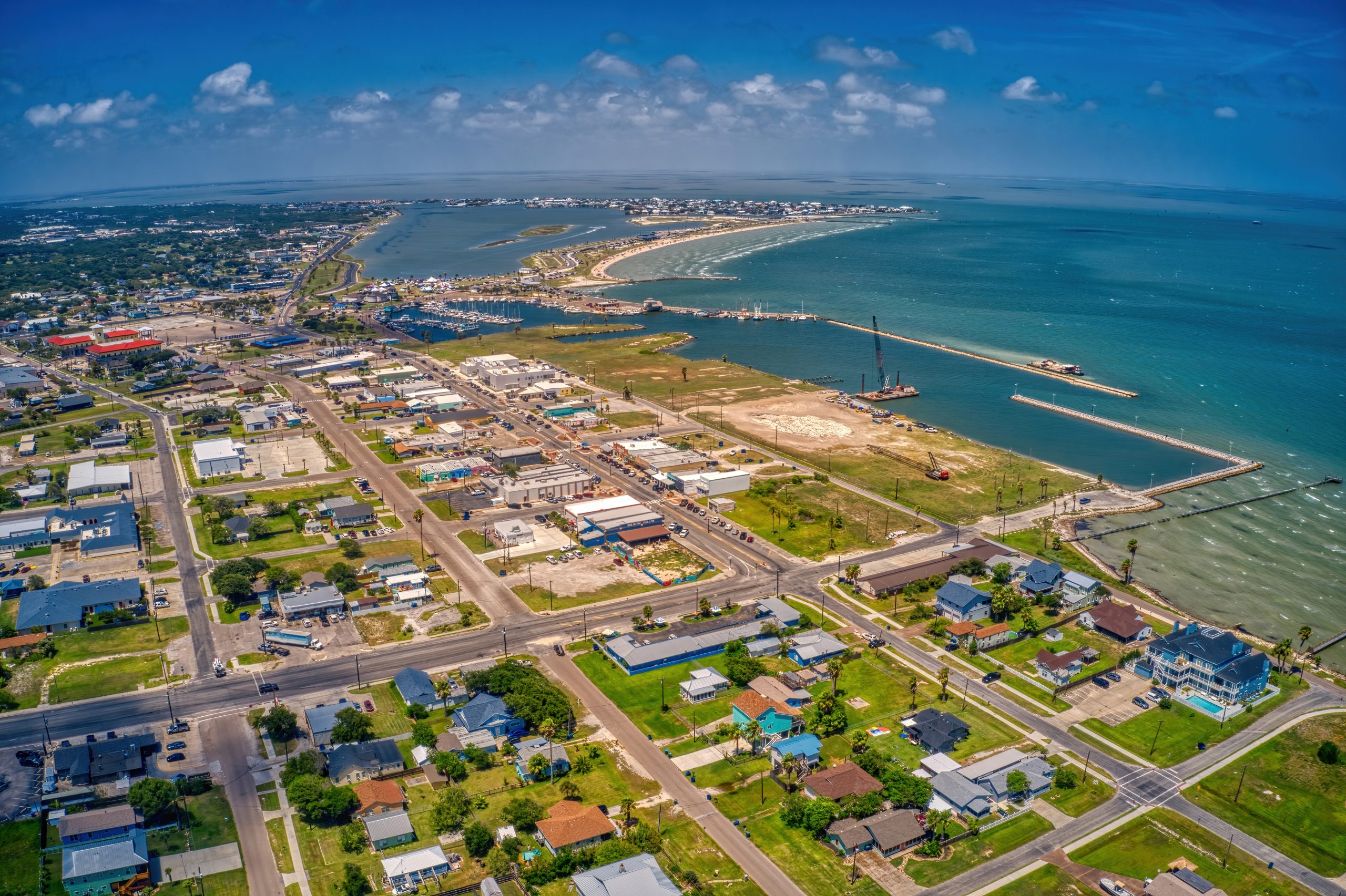
A barrier island on the Texas Coast, Galveston has already experienced over two feet of sea level rise in the last century, faces growing storm surge threats, and could see over 200 days of high tide flooding per year by 2050. Galveston’s natural defenses like wetlands, dunes, and marshes that help buffer the island from storms and flooding are disappearing. And as these protective landscapes erode, it’s the island’s most socially vulnerable communities that face the greatest risk. A jewel of the Texas Coast, Galveston Island provides habitat for iconic wildlife like nesting sea turtles, migratory birds, and an array of marine life. A place rich with history and culture, Galveston is poised to be a national leader on coastal resilience.

When we set out in 2024 to support resilience efforts on Galveston Island by producing Climate Resilient Galveston, we hoped to effectively outline the climate driven hazards as well as put a spotlight on the island’s strengths. Our goal was to spur lasting solutions built on a foundation of local leadership, informed by science, grounded in local priorities, and strengthened by collaboration.
Our assessment offered a roadmap built from local priorities, centered around four pillars: advancing nature-based projects, building community capacity, supporting climate jobs and workforce development, and fostering a policy environment that promotes resilience. The experience offered valuable lessons about what it truly takes to help resilience take root and why that work must be led from within the community itself.

Galveston reinforced core lessons about what it means to truly support resilience work:
Ground the work in local priorities.
Galveston didn’t need (or want) a new vision imported from elsewhere. The strength of the assessment came from rooting it firmly in the island’s own plans, ideas, and aspirations. We synthesized nature-based strategies from the city’s Comprehensive Plan, Hazard Mitigation Plan, and other sources, pulling them into one accessible framework. We wanted to make sure our recommendations were not starting from scratch, but building on the strong foundation already laid by local leaders. By putting these ideas together in one place, we made it easier for community members to see their options clearly and to start building from them.

Engagement isn’t a phase, it’s the work.
The credibility of our report came not just from the science, but from the conversations that shaped it. Before drafting Climate Resilient Galveston, we hosted a stakeholder roundtable in September 2023, bringing together community members, nonprofits, city and county officials, and academic partners. Their early input on challenges, priorities, and aspirations directly influenced the direction of our research and recommendations. Throughout the drafting process, we maintained ongoing outreach to ensure that the voices of Galveston stakeholders stayed central to the work. When the draft was completed, we convened a second roundtable in May 2024, inviting local partners to review, refine, and prioritize next steps. This approach turned the assessment into more than a scientific report; shaped with the community, for the community.

Success means building and elevating local capacity.
One of the most important outcomes of this project was the growth of local leadership around nature-based solutions. The assessment and outreach process helped create a shared understanding, new partnerships, and ultimately, a new local initiative: Convene the Green. By investing early in relationship-building, sharing science in accessible ways, and creating opportunities for collaboration, we helped support a foundation that the community is now carrying forward.
Invest in science and planning for sustained action.
On-the-ground resilience projects don’t happen overnight, and they shouldn’t. In fact, chasing fast wins without a strong foundation can cause more harm than good. Good science and thoughtful planning lay the groundwork for sustainable community-supported projects down the line – projects that match local needs, protect ecosystems, and build long-term resilience. Our assessment played a crucial role in this process. By pulling together the best available information, and aligning nature-based strategies with local priorities, the assessment helped position the community to move forward thoughtfully, not reactively. These kinds of local, nature-based solutions can often be quicker and more affordable than large, traditional infrastructure projects.

Looking Ahead
The path from assessment to action is rarely linear. Galveston’s experience is a strong example: when science is matched with listening, when plans build on local knowledge, and when leadership is cultivated and supported, lasting change becomes possible. We’re proud to have been part of that work and even prouder to watch where the seeds planted in Galveston will grow next.
Local efforts continue to grow. As highlighted in a recent Houston Chronicle feature, community groups and local leaders are building on the foundation of Climate Resilient Galveston to champion conservation and resilience across the island (read the article).
As we look ahead, we are excited to continue supporting community-first, nature-based resilience efforts up and down the Texas coast.

Want to stay involved or learn more?
Visit the Climate Resilient Galveston page on Texas Living Waters to explore the full assessment and additional resources. You can also reach out directly to us here or sign up for the TLW newsletter to stay connected with ongoing work across the region.