The floods that ravaged Texas last week, leaving more than 105 people dead, occurred in a region known as Flash Flood Alley. And while the storm developed quickly, the National Weather Service offered what appears to have been a relatively good forecast in a rapidly developing situation, according to former Weather Service officials.
But despite known risks in the area and warnings that were first issued around midnight Thursday, the floods became one of the deadliest weather events in recent American history.
How did that happen?
It’s too early to say with certainty that the slow-moving thunderstorms were made worse by man-made climate change. But the weather pattern that unleashed more than 10 inches of rain in a matter of hours is precisely the kind of phenomenon that scientists say is becoming more common because of global warming.
“The atmosphere is like a giant sponge,” said Arsum Pathak, director of adaptation and coastal resilience at the National Wildlife Federation. “As the air gets warmer, which is what’s been happening because of climate change, the sponge can hold a lot more water. And then when there’s a storm, the same sponge can squeeze out way more water than it used to.”
—-
‘Flood, rebuild, repeat’
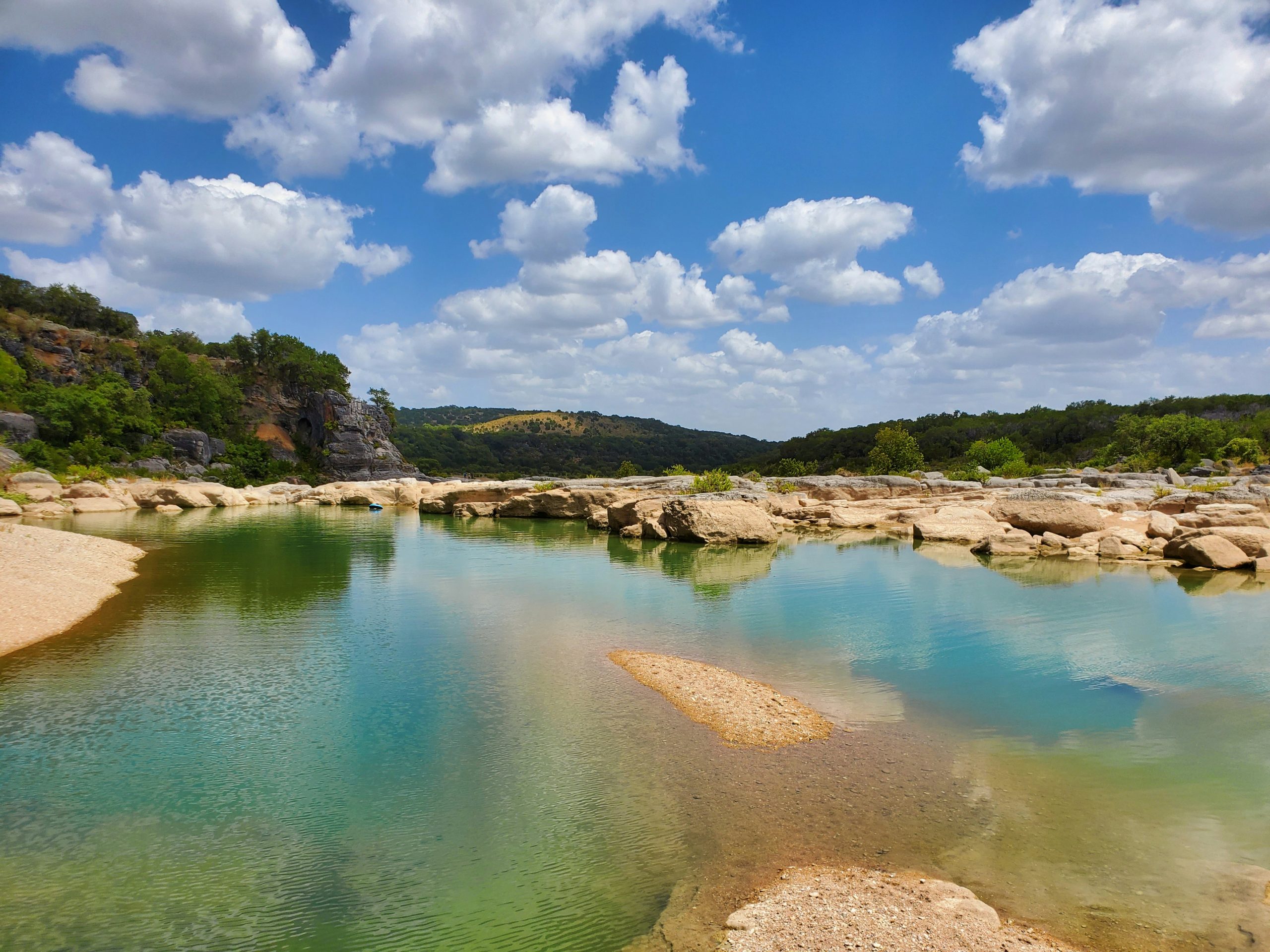
One reason the floods were so deadly is that the affected area, known as the Texas Hill Country, has very thin topsoil, an impermeable limestone bed, steep canyons and narrow valleys.
“It’s a recipe for flash flooding,” said Pathak, who is also a member of Texas Living Waters, a coalition of conservation groups that works on issues including climate change and flooding in the area. “It might have been a puddle in other parts of the country, but it became a really dangerous storm here, and it happened within a matter of minutes.”
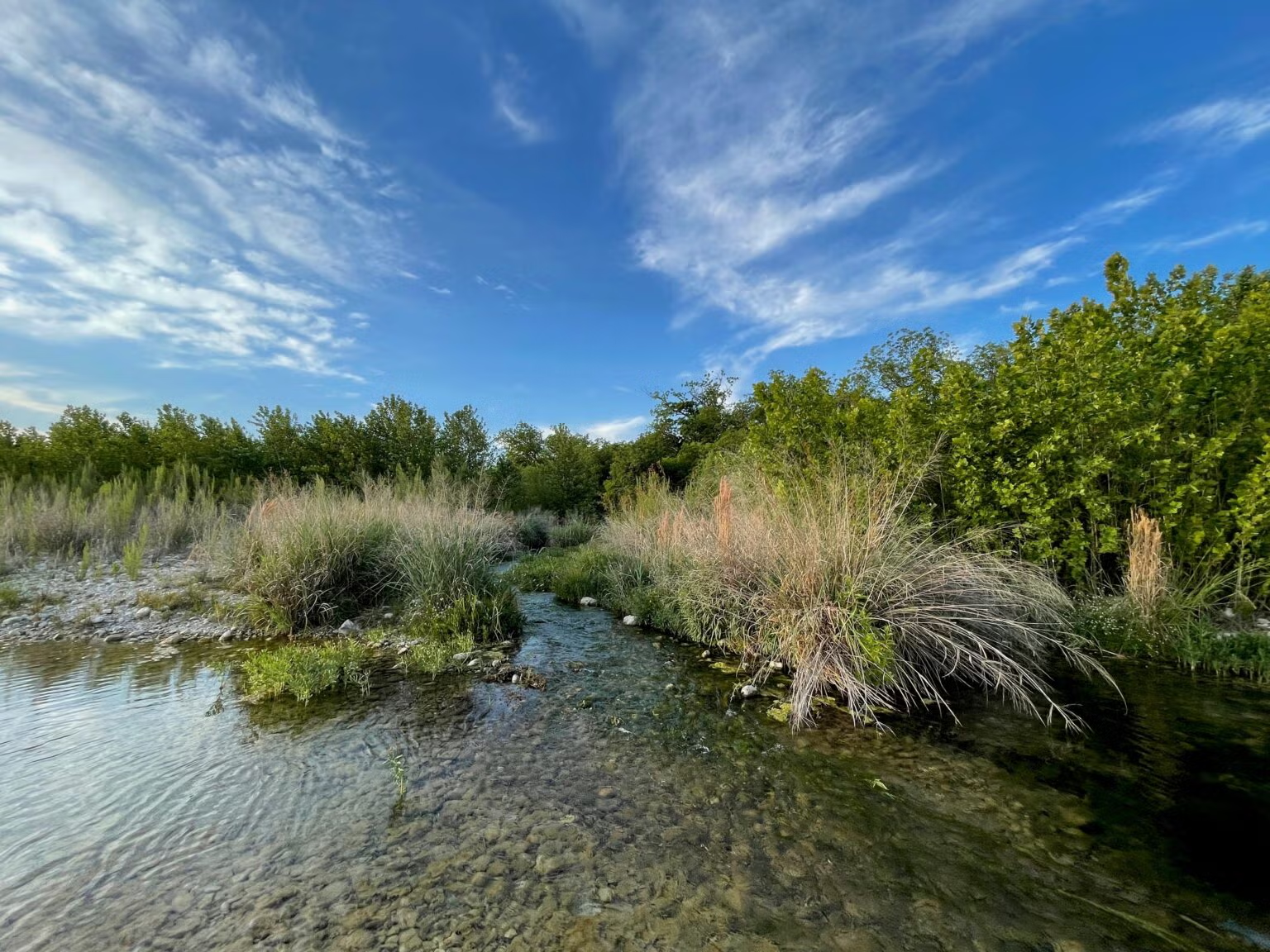
Some measures that could help the Hill Country adapt, she said, included restoring creek banks with native plants and grasses, planting more trees and increasing permeable areas, all of which could help absorb rainfall and slow rising floodwaters. As The Times reported this week, Texas has a growing backlog of flood management projects, totaling some $54 billion across the state.
“Too much of our disaster strategy in general is very reactive in nature,” Pathak said. “It is time to replace that loop of ‘flood, rebuild, repeat’ with more forward-looking investments that keep people out of harm’s way.”