In an effort to shore up the state’s future water supply, Texas lawmakers have stressed the need to secure new sources and point to desalination as a potential solution to looming shortages.
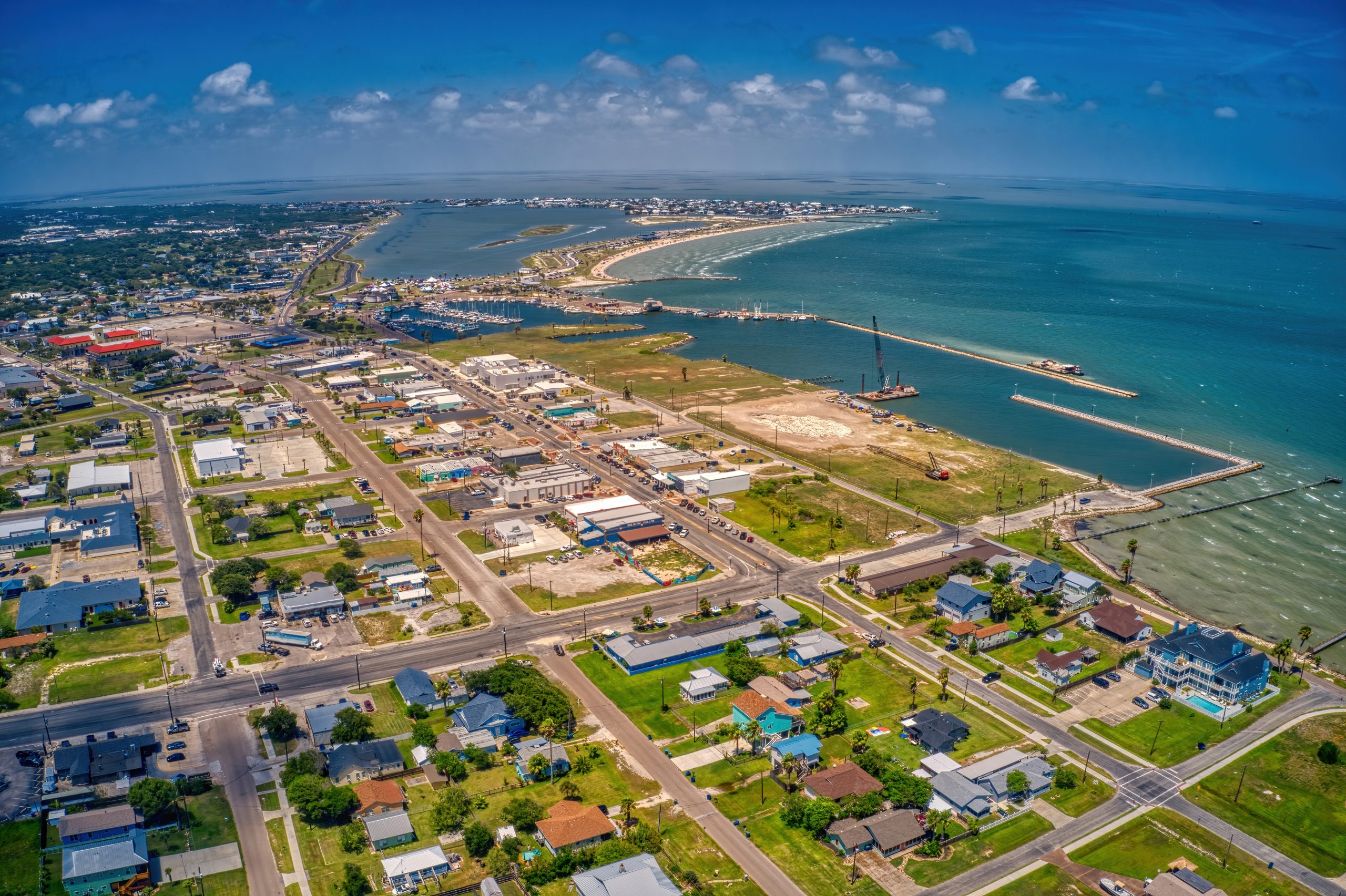
But environmentalists, coastal residents, and some legislators caution that without stronger regulation, the build-out of half a dozen proposed desalination plants threatens to harm coastal bays and estuaries that drive tourism and host dozens of endangered species.
“If we want seawater desalination to be our long-term water supply strategy, we better do it right,” said Evgenia Spears, the water program coordinator at Sierra Club Lone Star Chapter.
Seawater desalination, which removes salt to produce potable water, leaves behind a concentrated brine that must be disposed of, usually back into the ocean. Experts say the salty discharge can disrupt the balance of the surrounding ecosystem, but the state has few rules and regulations governing its disposal.
—-
Last year, TCEQ began the process of revising its Surface Water Quality Standards, but announced in March that updated salinity standards wouldn’t be included until the next revision, scheduled for 2030. A spokesperson said the agency was currently evaluating opportunities to update salinity standards before then.
“To me, 2030 is five years too late,” Spears said. “Given the pace of permit approvals for seawater desalination plants and the ever-pressing water needs in Texas, we need clear salinity standards right now.”
Industry groups have opposed increased regulation, saying it would kill desalination projects by making them impossible to permit.
Bill Norris, the president of the Texas Desalination Association, an industry trade group, said Morales Shaw’s bill would “impede the ability to put in these projects.”
“We’re all for protecting the environment and I think there’s enough science there that we don’t need to add more regulatory requirements,” he said.
Norris noted that bays and estuaries along the Texas coast naturally vary in salinity levels, depending on location, weather, and water source, making it impractical to set uniform salinity standards.
That’s all the more reason to study the issue, advocates say. “We need to know where we are to see where we’re going,” said Jennifer Walker, the director of the Texas coast and water program at the National Wildlife Federation.