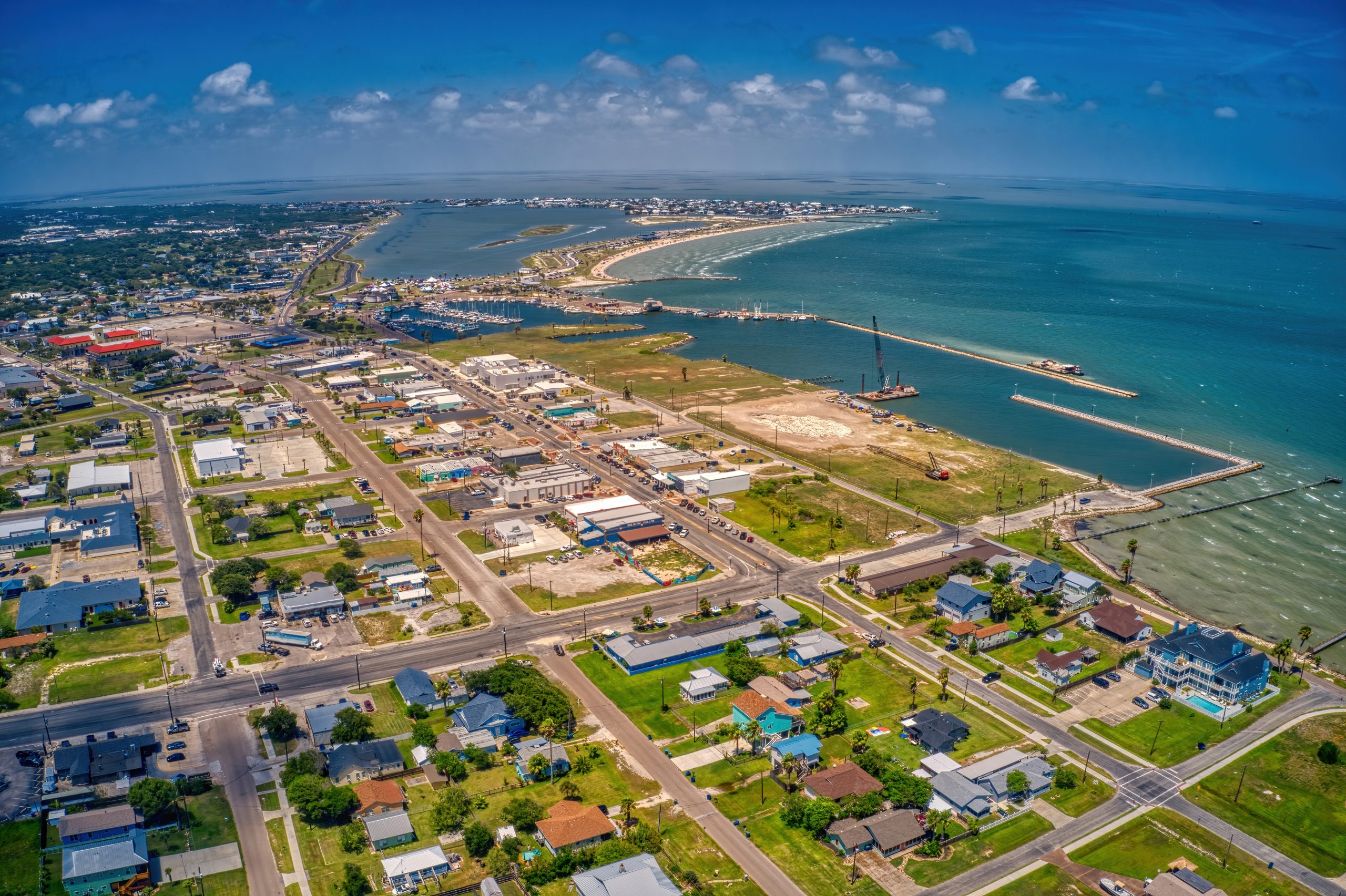
For more than a decade, communities have looked to the proposed “Ike Dike,” a federally funded flood gate system, as a solution.
But discussions about resilience often overlook a key tool: natural infrastructure. Green spaces, wetlands, and living shorelines protect communities while enhancing quality of life and reducing heat islands.
Galveston Bay’s wetlands can hold over 300 million cubic meters of stormwater during hurricanes.
A 2006 living shoreline project in Laffite’s Cove, costing just $35,000, helped reduce flood risk during Hurricanes Ike and Harvey. Similarly, Galveston Bay Foundation’s new headquarters was spared from severe flooding during Beryl, thanks to a 905-foot living shoreline that absorbed storm surge energy.
Nature-based solutions are cost-effective and can be implemented faster than large-scale engineering projects like dams and flood gates.
A recent National Wildlife Federation report, Climate Resilient Galveston, found that a storm like Hurricane Ike in 2100 would have a 2.5-foot higher storm surge, impacting an additional 450 square miles.
By mid-century, Galveston could experience over 200 high-tide flood days annually — almost every other day.
Despite their benefits, nature-based solutions face regulatory hurdles and skepticism, particularly in historically underfunded communities. Our report highlights four key pillars: growing community support through outreach, strengthening policies to protect habitats, scaling nature-based projects, and securing funding.
Together, these pillars provide a blueprint for long-term resilience that prioritizes people, ecosystems, and smart adaptation strategies.