When Texas began statewide water supply planning nearly seven decades ago, the state was recovering from a severe drought that spurred lawmakers to create a process that would develop strategies to ensure Texas has the water it needs under a recurrence of “drought of record” conditions. Since 1997 each 5-year planning cycle has begun with the development of 16 regional water plans. These regional plans provide the framework for the state water plan. The result: an inventory of water considered to be available during a severe drought, projected water demands for various water user groups, and water management strategies that will fill the gap between supply and demand while avoiding over-allocation. The task is complicated by the fact that our steadily increasing population and economic growth mean that demand for water from several sectors (municipal use, industry, power generation, etc.) has expanded steadily over time…a trend that is projected to continue into the future. The 2027 state water plan is being rolled out in two drafts: the first presents basic information to support funding deadlines for the projects it recommends, with a more robust version to follow later this year.

Conservation and Reuse are the Cornerstones of Our Water-Secure Future
The 2027 state water plan includes over 6,700 strategies, indicating the diversity of options available for many communities as they evaluate pathways to meet their water needs over the short, medium, and long term. Although all the strategies recommended in the plan are screened for technical feasibility, they can vary widely in terms of their cost-effectiveness and durability in a changing climate. The clear standouts are conservation and reuse. These are strategies that maximize efficiency and demonstrate good stewardship over the water we already have: together, they account for 43% of the water volume from strategies included in the plan.

graph: recommended water management strategy supply volumes by water resource and strategy type by 2080 (figure 6 from 2027 State Water Plan draft)
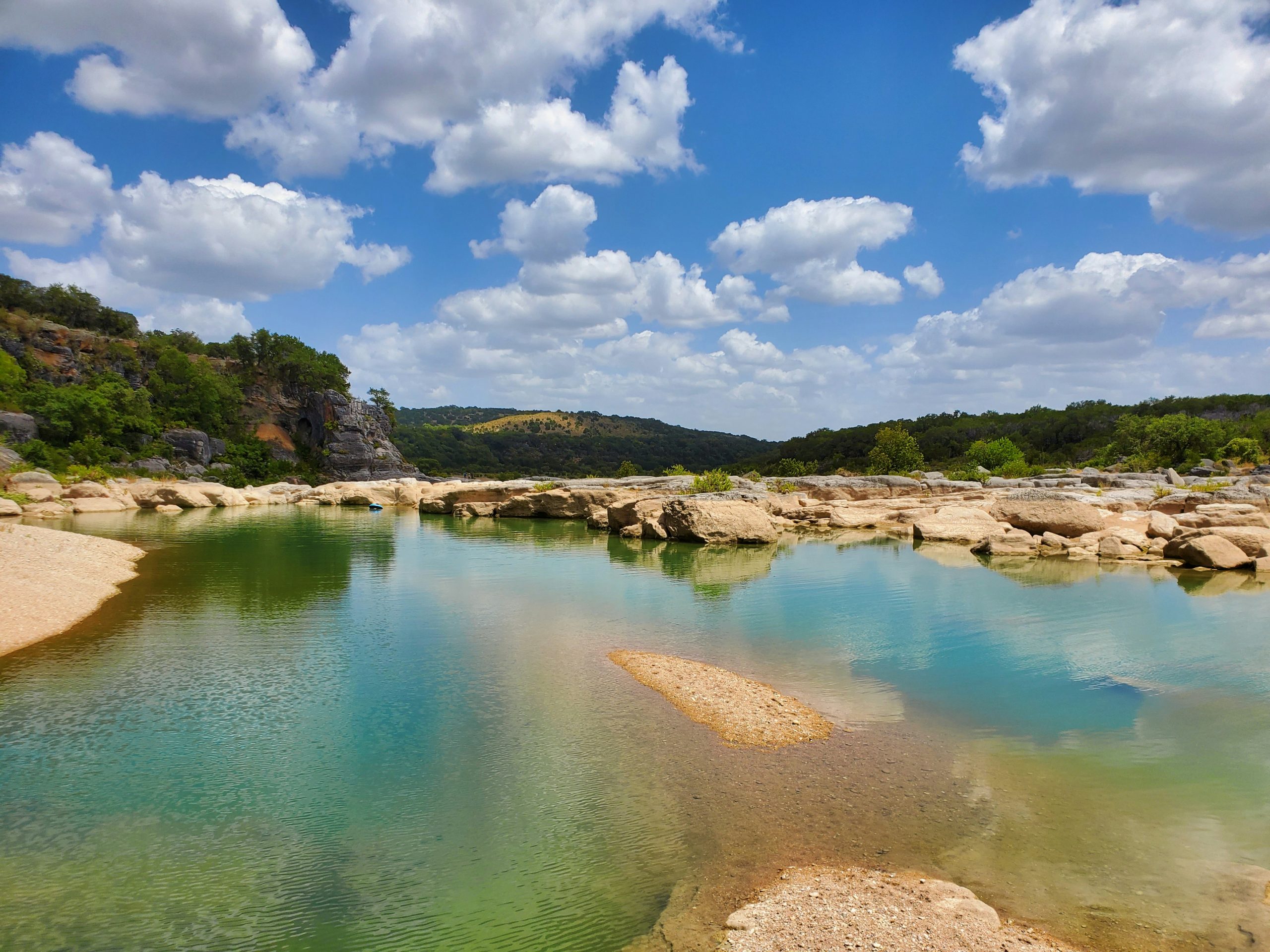
Conservation and reuse are referred to in the 2027 plan as “cornerstone” strategies, and the metaphor is apt: cornerstones are the first pieces laid in building a solid foundation, and must be done right if we hope to build something that lasts. Measures like conservation and water loss mitigation are the perfect first steps toward long-term water security because they offer the potential to save significant volumes of water, thereby extending supplies and offsetting the need for larger and more expensive infrastructure. They are also better for the environment, because extending the water supplies that we already have through efficiency, water loss reduction, and reuse means that we can put off or eliminate the need to take more water from rivers or aquifers thus allowing that water to be used for fish and wildlife habitat.
For more information on the value of these strategies and measures that could support their implementation, see our report “Planning for a Water Resilient Texas: Water Loss & Conservation Over the Next 10 Years.”
Planning to Protect Water for the Environment
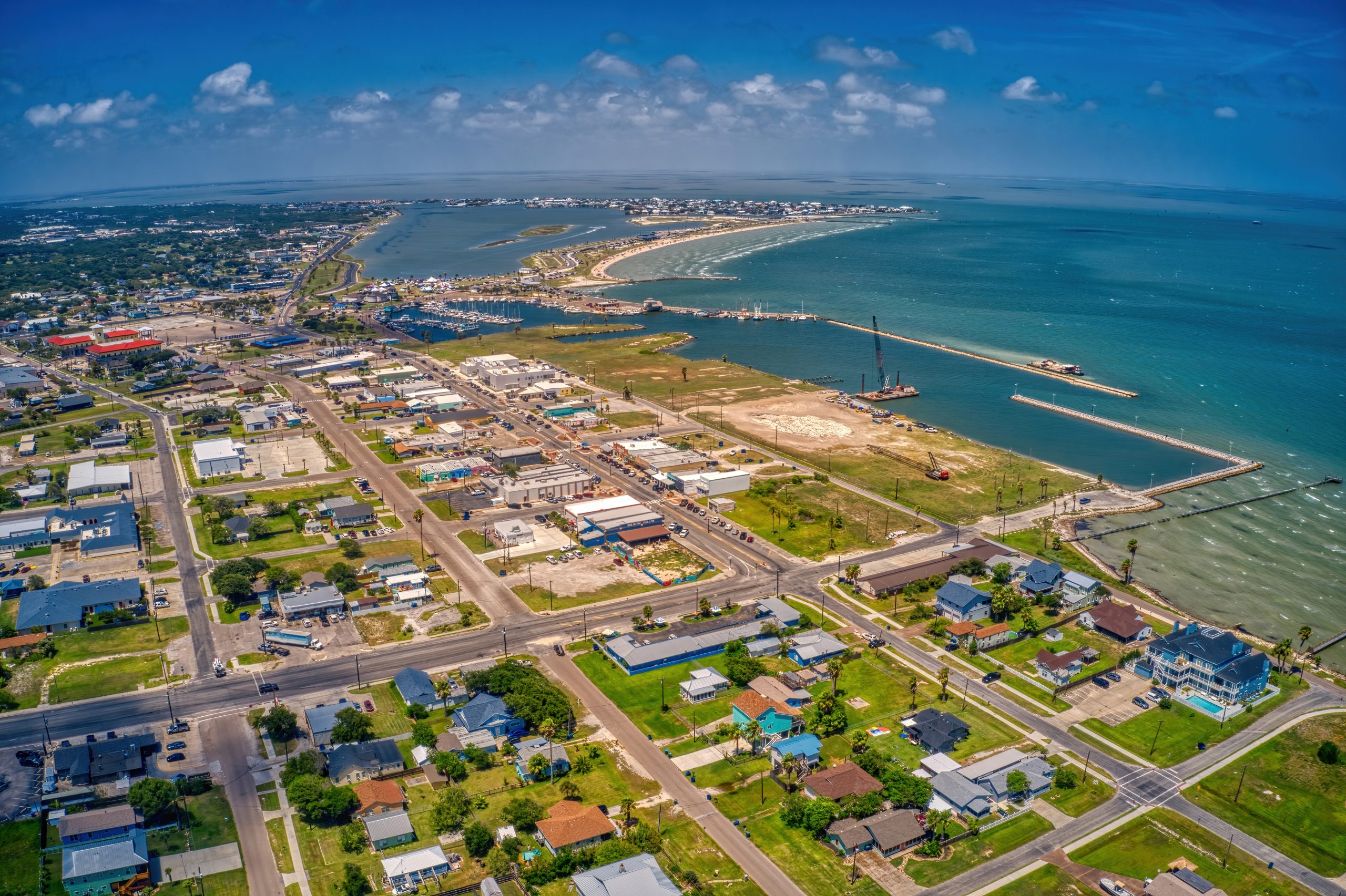
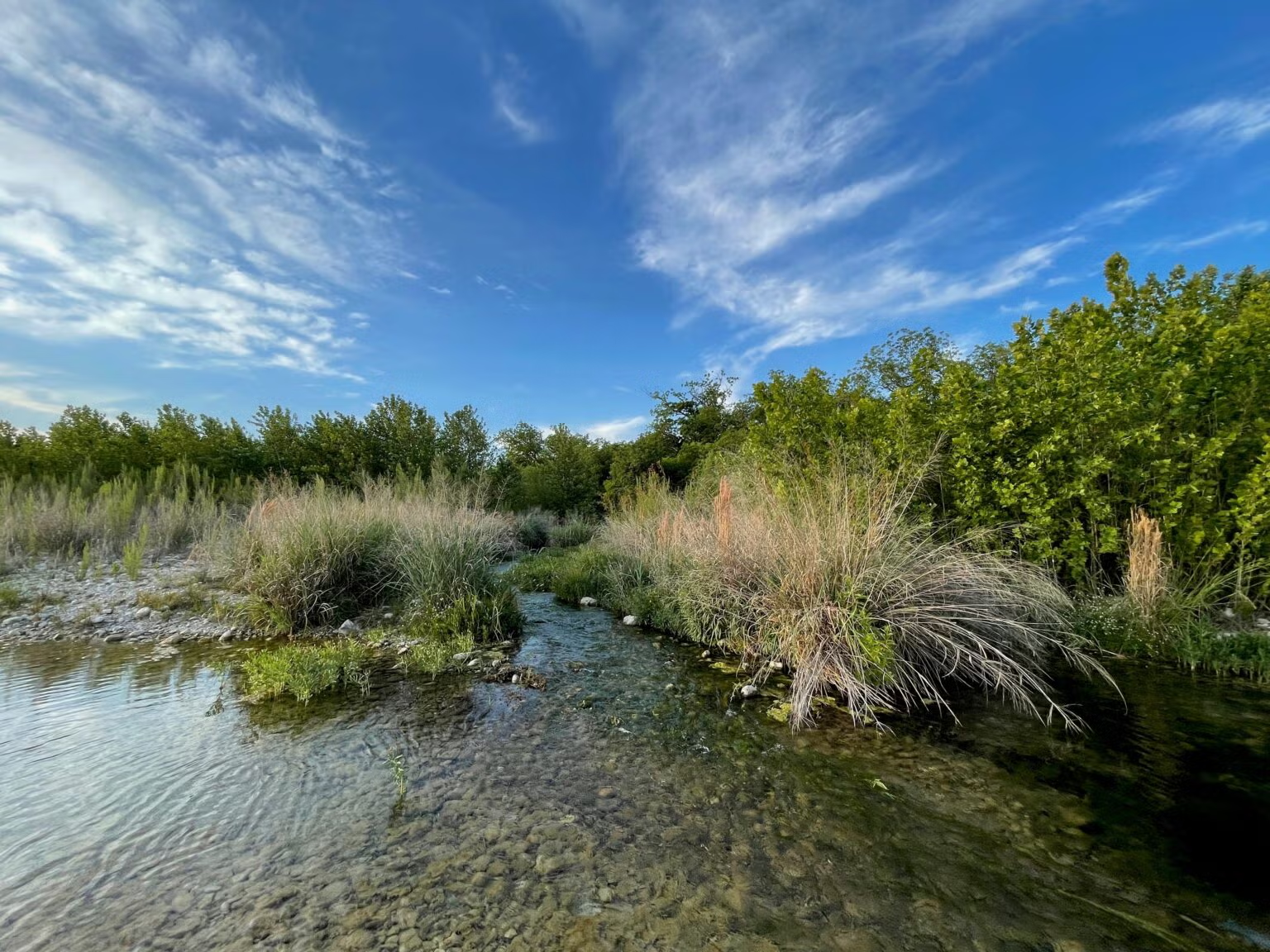
Adequate environmental flows are necessary to maintain healthy and productive habitat for fish and wildlife in our rivers, streams, bays and estuaries. These systems require sufficient water (inflows) to maintain the delicate balance of salinity, nutrient loads, and sediment that is needed to support these ecosystems. Healthy bays and estuaries help drive the Texas economy by providing for significant economic activity through coastal tourism and recreational and commercial fishing. The Texas Water Development Board does not provide a mechanism to identify and plan for environmental flow needs (both freshwater inflows and instream flows) during the regional and state water planning process. Without the inclusion of environmental needs, the State Water Plan is not incorporating all the water needs in our state.

Including this important water use category in the Texas’ water planning effort will provide a backdrop to help meet environmental needs and has the potential to bring positive impacts to the river, bays and estuaries. It is time to really consider the environment in the State Water Planning process and to include affirmative strategies to help meet the water supply deficit for the environment.
Read more about our work on Environmental Flows Protection and opportunities to deliver more fully on the promise of SB 3.
What’s Missing: Data Centers and Building a Stronger Plan for the Future
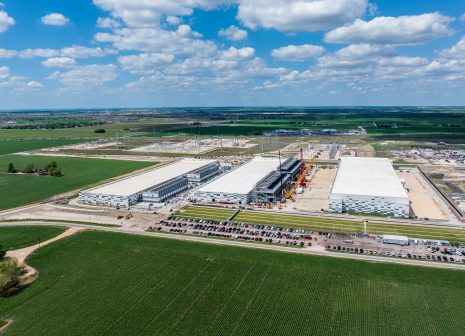
The state water plan operates on projections that look 50 years into the future, but those projections are based on historical data that is surveyed at a single point early in each five-year planning cycle. Just think about how numerous and ever-changing the issues facing Texas water have been over the past five years, from interregional conflicts to aging infrastructure to funding to groundwater depletion, and most recently, concerns about water use by data centers. The data center industry has proliferated so quickly that its water demands are not considered (or even mentioned) in the 2027 state water plan, which may seem odd for a document that purports to lay out strategies that balance industrial demands against the needs of communities, farmers, and other users for the next five decades.
The data center issue provides a lens to examine what we expect from our state water plan and how those goals should be achieved. If it should reflect fast-growing new demands, how should the data be collected and incorporated into the planning process? When water demands are shifting rapidly, is historical data enough to describe a future that serves all Texans? The Texas Water Development Board is the state agency tasked with administering the planning process; its experts are best positioned to explain why detailed information on data centers and their water demands is not included in the 2027 plan and make recommendations for filling such gaps in the future, or at least survey the state of play leading into the 90th Texas Legislature. Considering the wide variety of people and institutions who consume the plan’s data and recommendations, we hope to see the plan updated to acknowledge current and projected water use by data centers and the challenges this may present to our current planning assumptions.
Read more about our policy recommendations related to water use by Data Centers, including ways to strengthen the planning process.
Read Texas Living Waters’ letter to the Texas Water Development Board with comments on the draft 2027 state water plan.
Visit the online interactive state water plan, hosted by the Texas Water Development Board.